01
Product discovery
Define the user, commercial case, and smallest release worth building.
Opportunity mapMVP scope
From product strategy and intelligent workflows to engineering, deployment, and continuous improvement, we turn validated ideas into reliable AI-powered products.
Good delivery starts by understanding what is blocking the business—not by starting with a technology.
Each capability is tied to a concrete product decision, operating need, or release outcome.
Define the user, commercial case, and smallest release worth building.
Choose where models create measurable value and design fallbacks for when they do not.
Make complex automated decisions understandable, reviewable, and easy to act on.
Build the application, admin tools, APIs, and data flows as one maintainable product.
Set up secure access, account roles, subscriptions, and the operating controls a SaaS needs.
Launch with monitoring and a delivery system that supports learning after release.
Every phase produces something reviewable. Select a step to see the work, output, timing, and your role.
A closer look at a related challenge, what we delivered, and the operational outcome.
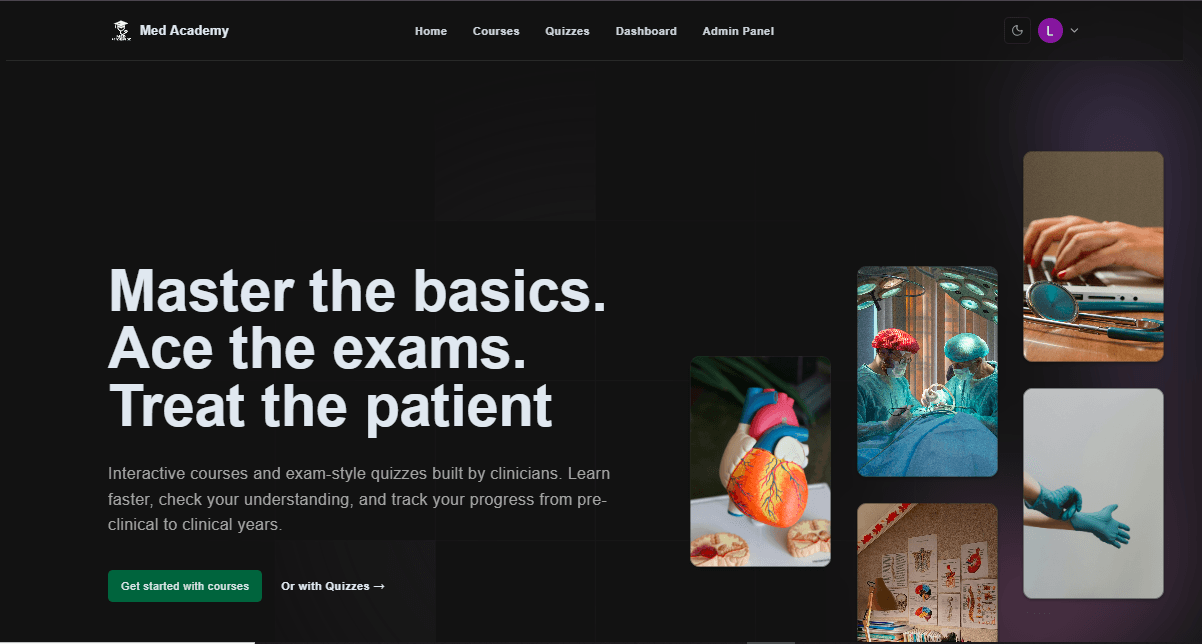
A single learning environment now supports more than 10,000 active users and gives the team a foundation for new study formats.
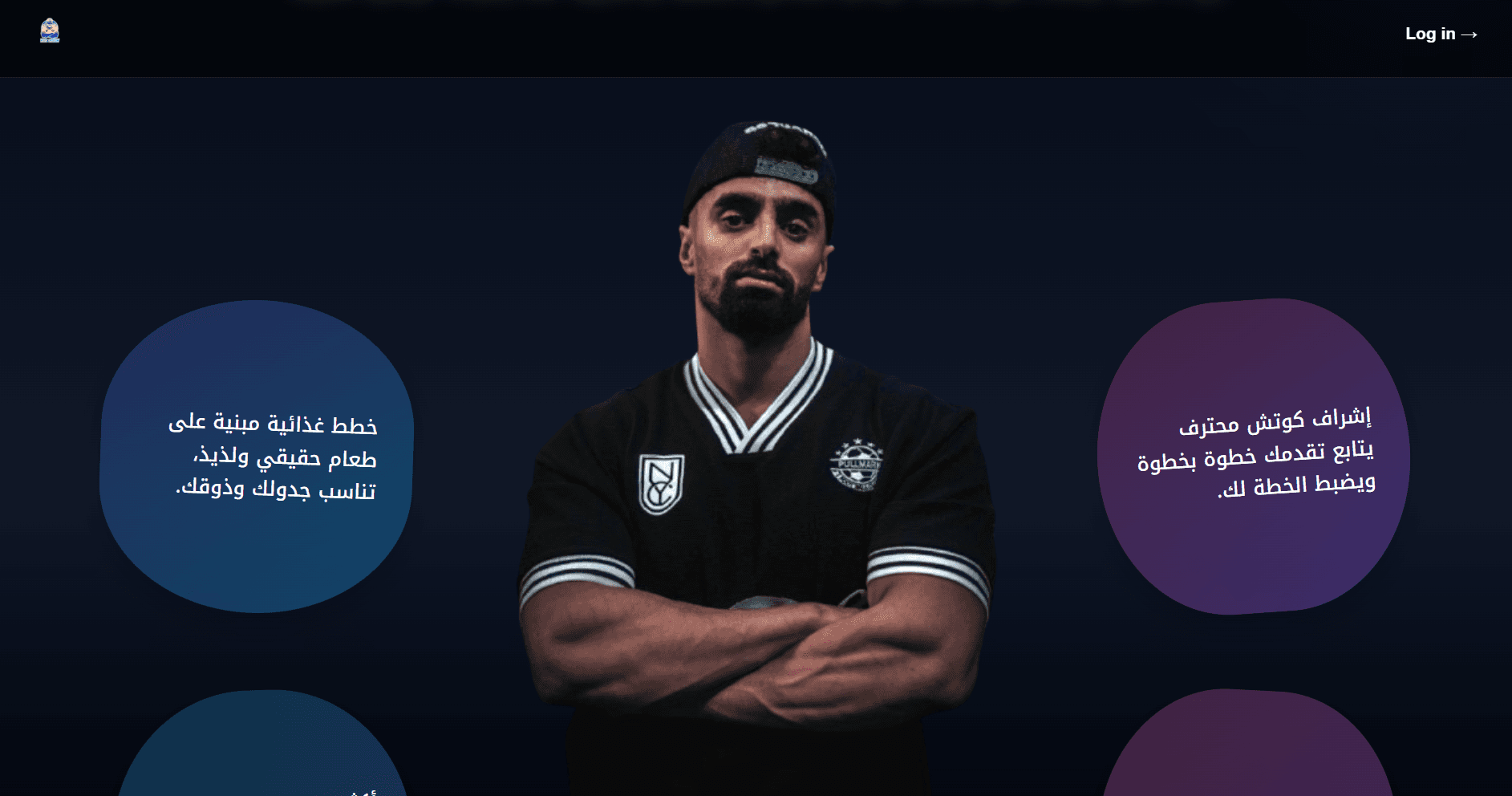
More than 250 coaches have been onboarded, with repeatable plan delivery replacing a fragmented manual workflow.
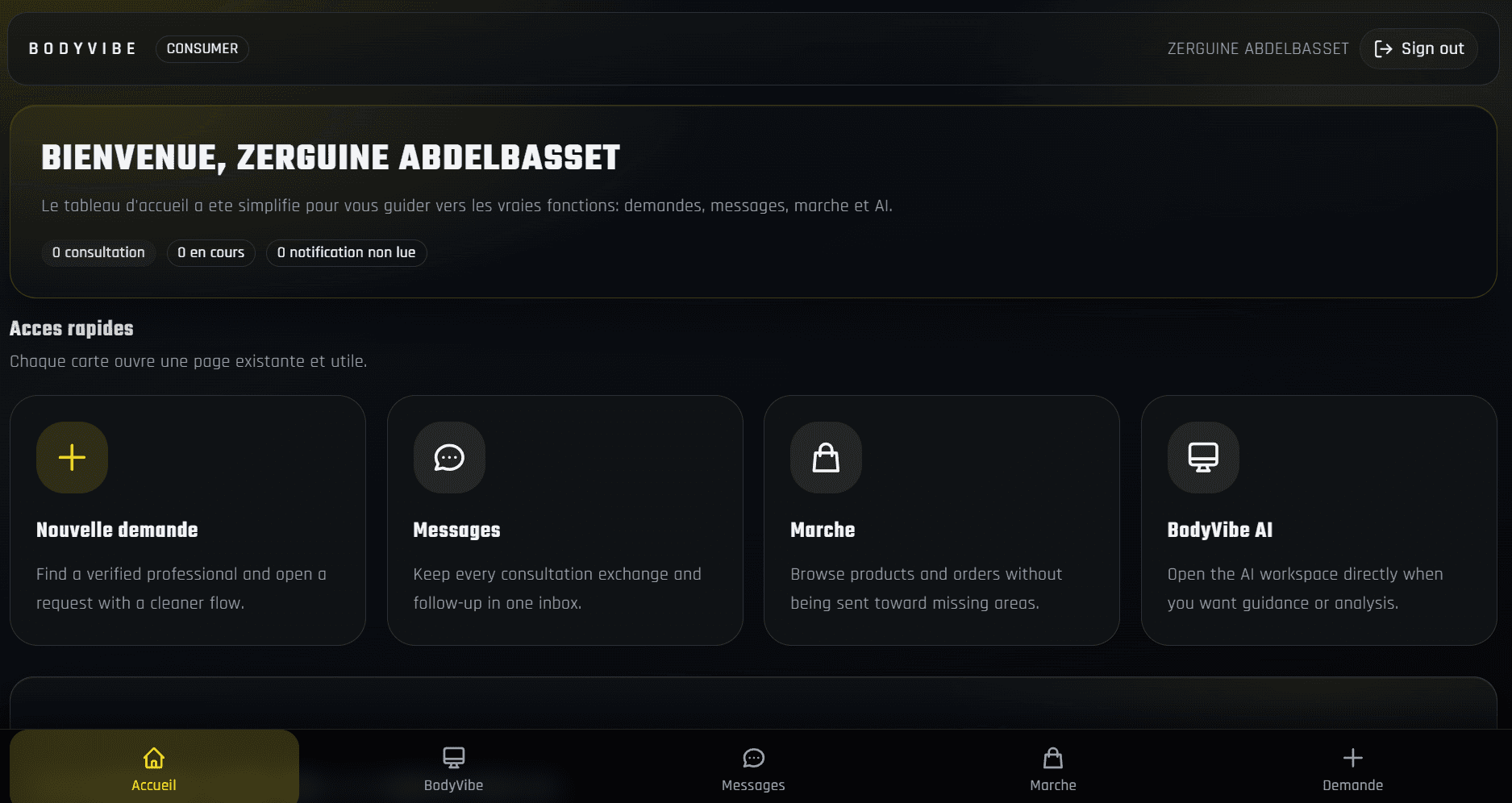
The product connects a multi-sided service journey in one experience and has supported more than 5,000 consultations.
We select technology around product requirements, scalability, maintainability, team capability, and long-term ownership.
Fast, accessible interfaces with a maintainable component and type system.
The model and retrieval approach follows the workflow, accuracy needs, and ownership constraints.
Clear service boundaries and durable data models support iteration without rewrites.
Automated releases, logs, metrics, and recovery paths make the product operable.
The team stays close to the problem, makes decisions visible, and leaves you with a product you can operate.
Product decisions are tested against user value, delivery risk, and long-term ownership from the start.
You collaborate with the people designing the flows and making the technical decisions.
Shared milestones, written updates, and working demonstrations keep progress and trade-offs clear.
Testing, deployment, monitoring, documentation, and ownership are part of delivery—not afterthoughts.
Technology is selected around the product, constraints, team, and total cost of ownership.
Move from launch stabilization to ongoing improvement or a dedicated team as the roadmap grows.
Feedback connected to shipped work and a named client—not an anonymous marketing claim.
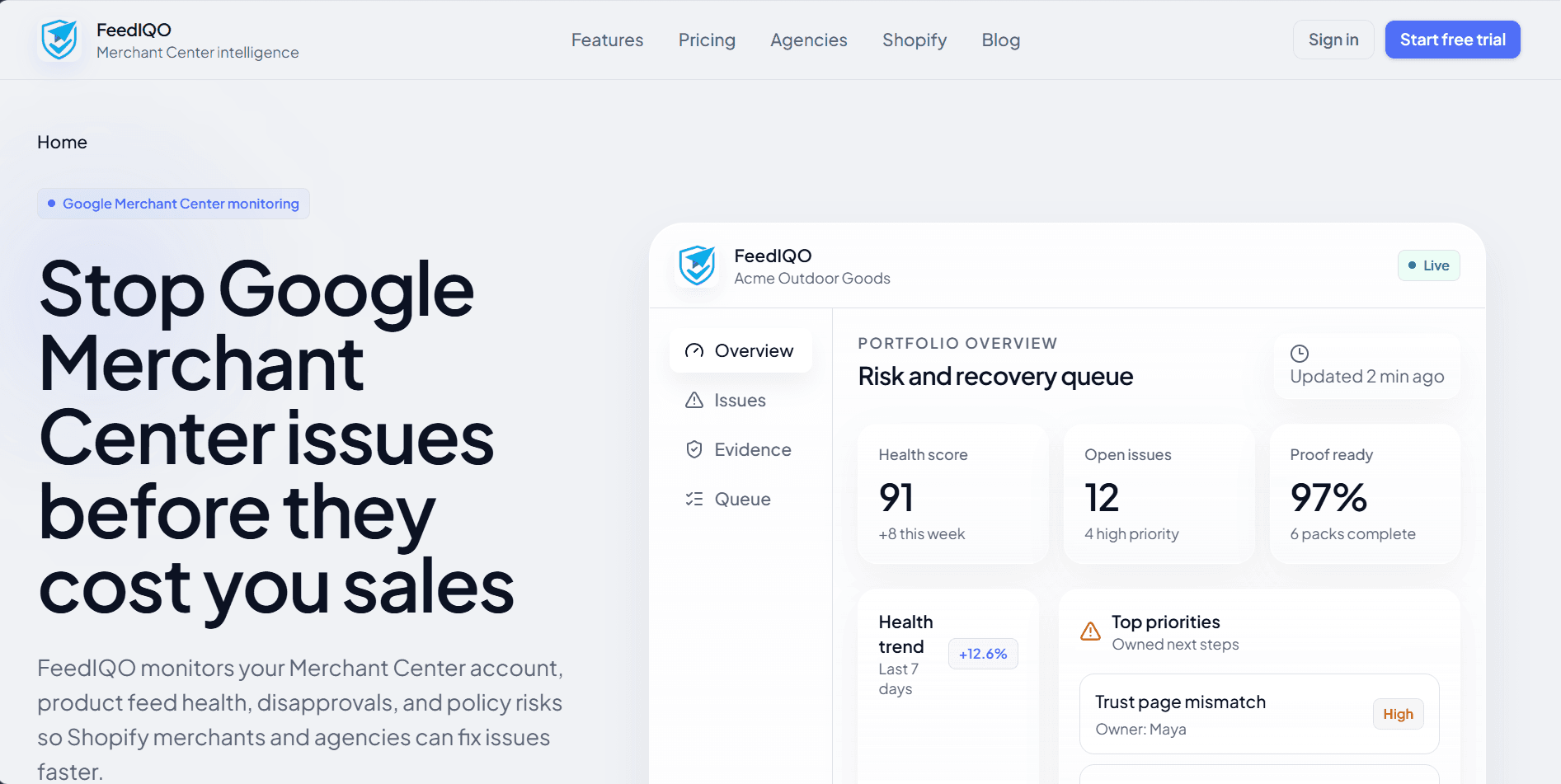
“PerceptronDev turned a rough spec into a tool our agency uses every day. Catching Merchant Center issues before they kill ad spend used to be guesswork — now it’s a dashboard. Resolution time dropped about 40%.”
Start with a focused decision or assemble the full team. Scope and cadence stay explicit in either model.
The practical questions teams ask before beginning a AI-Native SaaS engagement.
Tell us what you are building, where you are blocked, and what success looks like. We will review it and recommend the most effective next move.
The form takes about three minutes. Your selected service is already attached, and your entries stay in place if anything needs correcting.